Project Overview
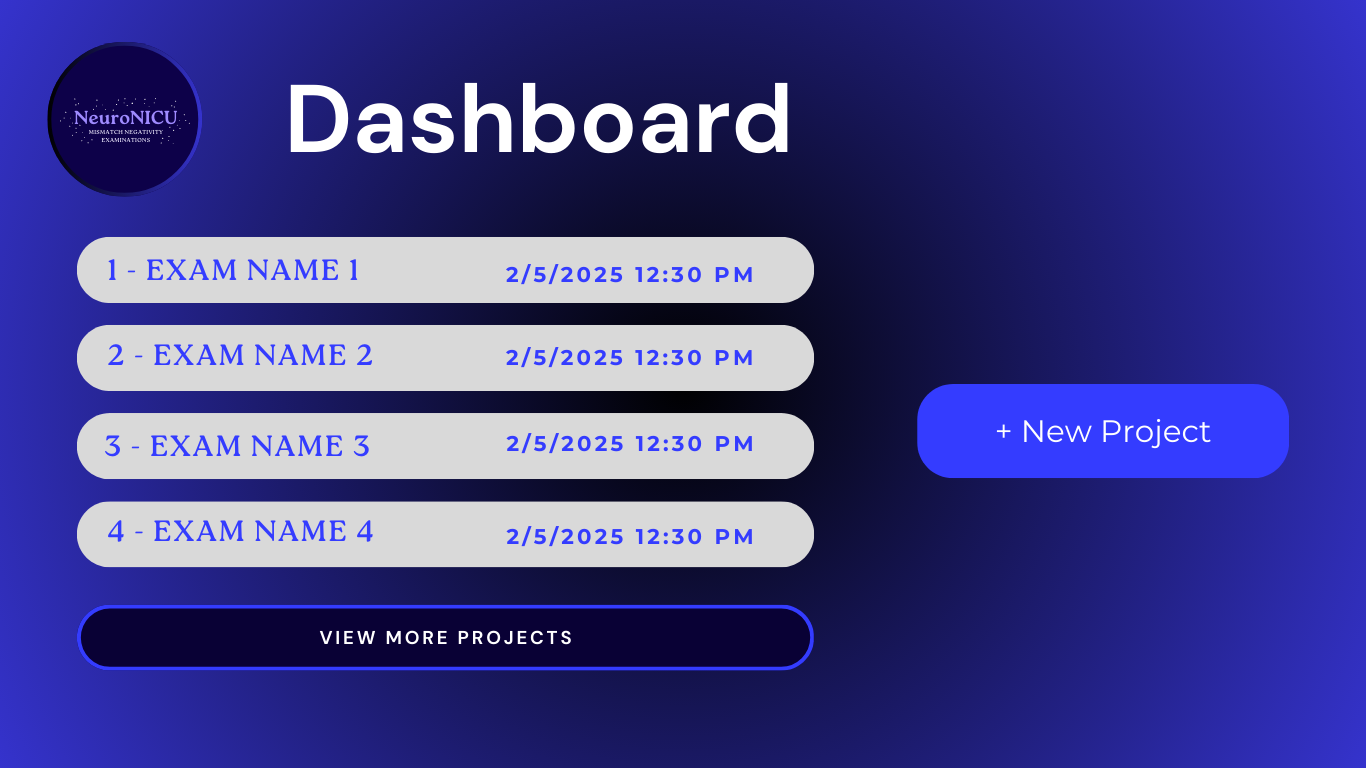
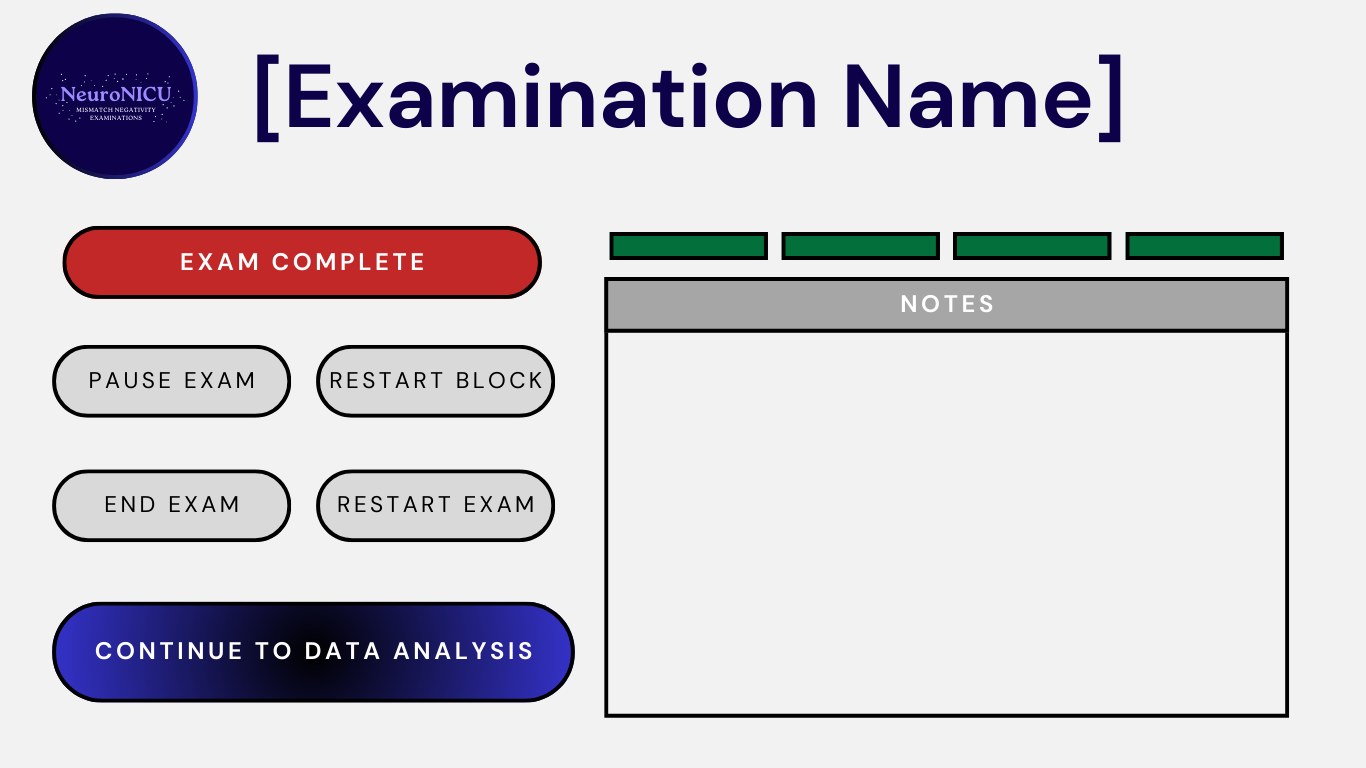
NeuroEcho is a specialized software designed to study auditory processes & cognitive development in patient populations that may not be able to actively participate in traditional cognitive tasks—such as newborns, young children, and individuals with mobility or sensory disabilities. This software is divided into two primary components:
1. Auditory Stimuli Tool
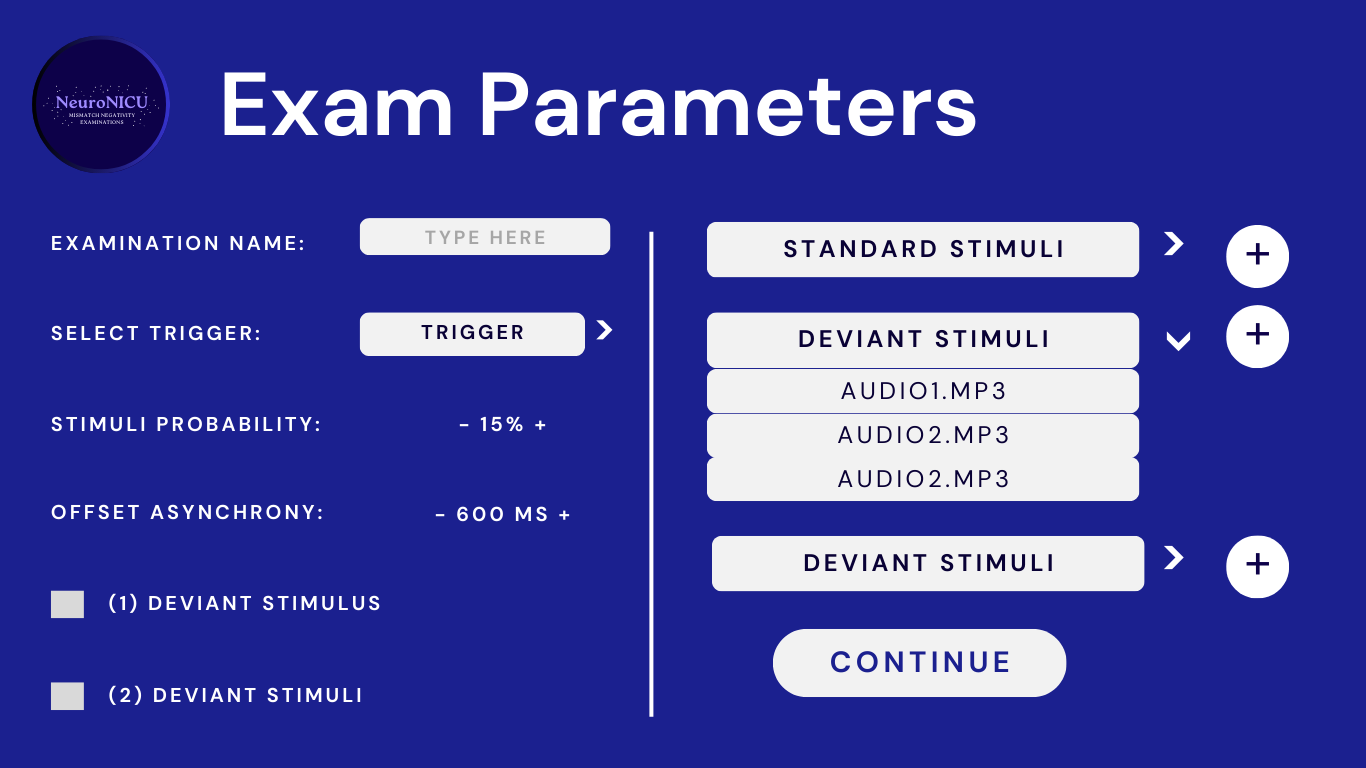
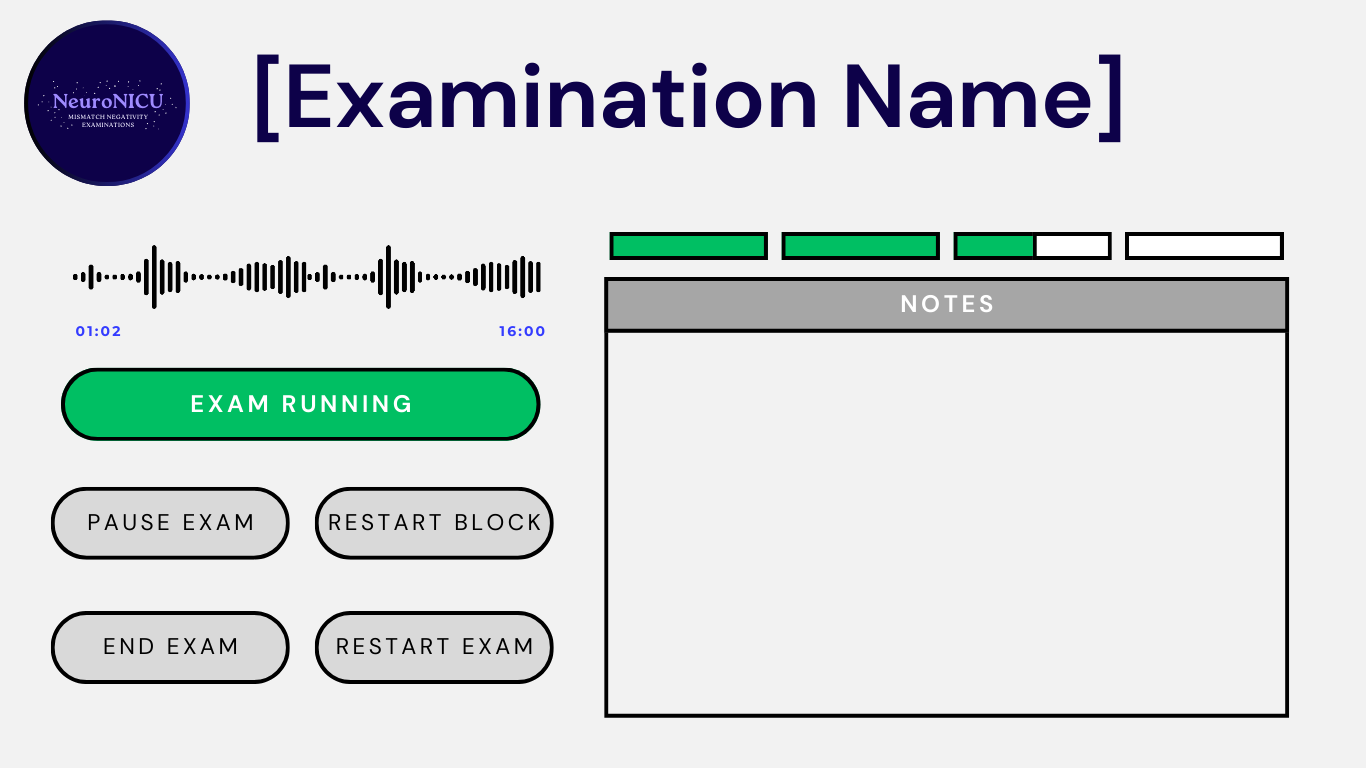
The first phase of the project involves designing and implementing an auditory oddball task. This task is widely used in neuroscience to study brain responses to unfamiliar auditory stimuli. It consists of presenting a sequence of frequent (standard) sounds mixed with infrequent (deviant) sounds. The occurrence of these deviant sounds prompts a specific brain response known as the Mismatch Negativity (MMN), an Event-Related Potential (ERP) that provides insights into automatic auditory discrimination and cognitive processing speed.
2. EEG Data Analysis
The second phase of the project focuses on developing an analysis pipeline to preprocess and analyze Electroencephalography (EEG) data collected from the oddball task. The pipeline will include:
- Preprocessing Steps: Artifact removal, filtering, and segmentation of EEG signals.
- MMN Extraction: Identifying and isolating the MMN ERP waveform from the EEG data.
- Data Visualization & Interpretation: Generating visual and statistical analyses to assess the efficiency of auditory discrimination in participants.
Objective
By integrating these components, NeuroEcho aims to provide a user-friendly platform for auditory research, enabling more accessible and reliable studies in neonatal and clinical settings. This project provides a robust framework for studying auditory processing across diverse populations, offering valuable insights into cognitive and sensory neuroscience.